Discover the Latest Trends in Body Contouring Farmington Hills
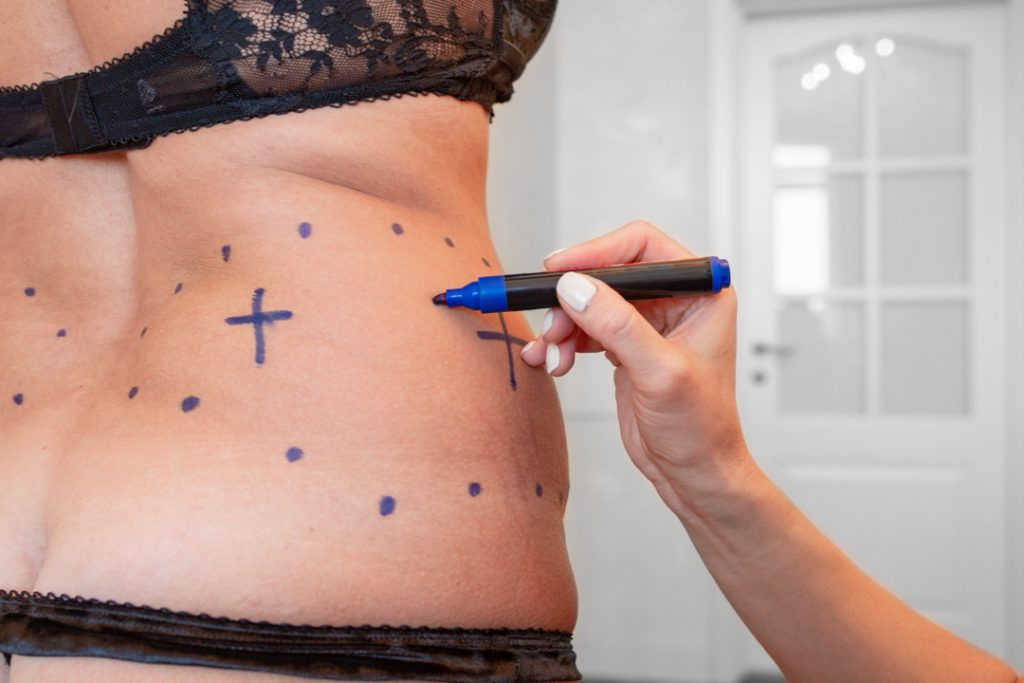
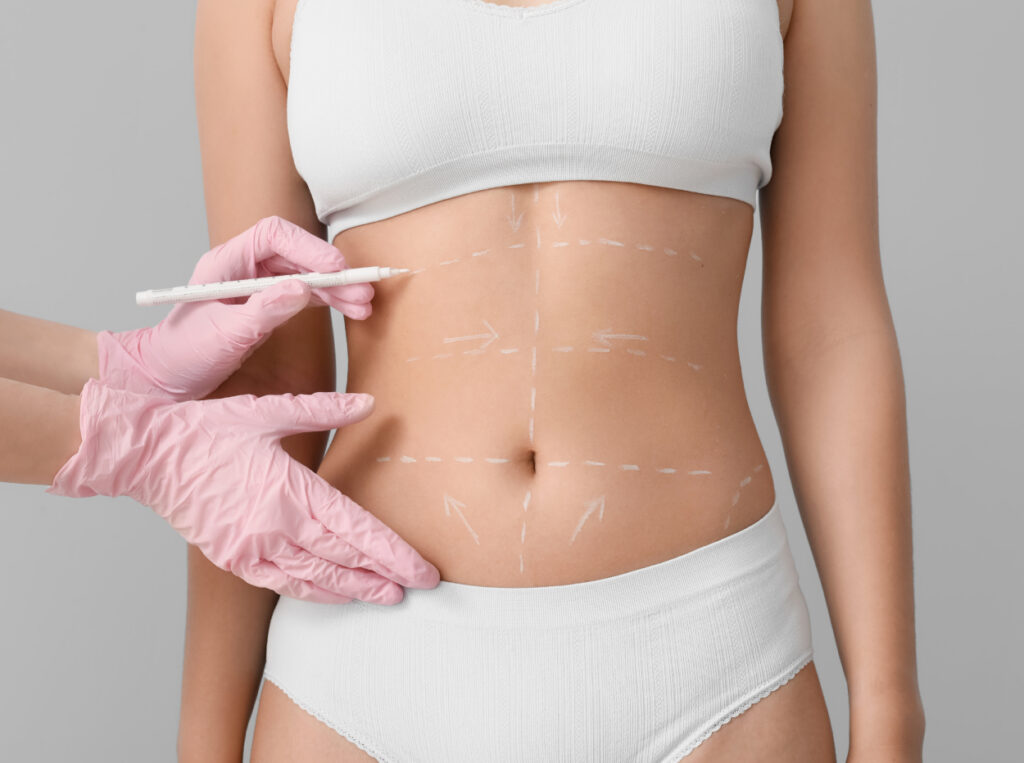
Body contouring has changed dramatically over the past several years. Not long ago, most conversations centered on surgery, long recovery times, and a fairly narrow idea of who made a good candidate. That is no longer the full picture. In practices serving Farmington Hills, the field has widened. Patients now ask about subtle waist refinement, post-weight-loss skin tightening, treatment plans after pregnancy, and options for stubborn pockets of fat that resist exercise. Just as important, they want results that look believable in real life, not exaggerated under office lighting.
That shift matters. The most significant trend in body contouring is not simply better technology, although the devices have improved. It is the move toward individualized planning. Experienced providers are spending more time assessing tissue quality, muscle tone, skin laxity, and long-term maintenance habits before recommending anything. The strongest results often come from matching the treatment to the body in front of you, not from chasing the newest machine.
For anyone researching Body Contouring Farmington Hills, the local market reflects these broader changes. Patients have more choices, more non-surgical options, and more nuanced treatment paths than they did even five years ago. That is good news, provided you understand what is actually worth your attention and what is mostly marketing.
A more refined idea of what body contouring means
Many people still hear the phrase body contouring and think only of fat removal. In practice, contouring can involve several distinct goals. One person wants to reduce fullness along the lower abdomen. Another wants smoother definition around the flanks. Someone else has lost 40 or 60 pounds and is less concerned with fat than with loose skin that no longer contracts well. A younger, fit patient may want mild shaping, while an older patient may be trying to restore firmer contours after years of weight fluctuation.
That range of concerns has pushed providers to think beyond a one-treatment-fits-all model. Body contouring now sits at the intersection of fat reduction, skin tightening, and, in some cases, muscle toning. Those categories overlap, but they are not interchangeable. A person with mild excess fat and good skin elasticity may do well with a non-invasive fat reduction treatment. A person with thin skin, crepey texture, or moderate laxity may need energy-based tightening to see a worthwhile improvement. If there is a larger amount of loose skin, especially after major weight loss, surgery may still be the most honest recommendation.
This is where good consultations make all the difference. The trend toward customization sounds obvious, but in real clinics it changes how treatment plans are built. Instead of selling a package from a menu, experienced providers often map out a sequence. They may reduce fat first, then reassess skin retraction after a few months, and only then decide whether to add a second modality.
The rise of non-surgical body contouring
Non-surgical body contouring remains the biggest draw for many patients in Farmington Hills, and it is easy to understand why. There is no general anesthesia, downtime is usually light, and most people can return to work or errands the same day. That convenience has made these treatments popular among busy professionals, parents, and adults who do not want the disruption of surgery.
The modern non-surgical category generally includes cold-based fat reduction, radiofrequency treatments, ultrasound-based approaches, and devices that combine energy delivery with tissue stimulation. While each technology works differently, the common promise is body shaping with less interruption to daily life.
The key trend here is that expectations have become more realistic. Early advertising in this category sometimes implied dramatic transformations from a single appointment. Better practices now frame non-surgical contouring as a method for improvement, not reinvention. Depending on the area and the device, visible change often develops gradually over several weeks or months. Results can be satisfying, but they tend to be best for patients who are already near a stable weight and want to address specific trouble spots.
That matters because non-surgical treatment works most predictably when the problem is localized. A soft lower belly bulge, fullness over the bra line, or persistent flank fat can respond well. Generalized weight loss, however, is not what these devices are for. People who understand that distinction are usually much happier with their results.
Skin tightening is no longer an afterthought
One of the clearest trends in Body Contouring Farmington Hills is the growing focus on skin quality. Fat reduction alone can leave some patients underwhelmed if the skin does not contract enough afterward. This is especially common in adults over 40, after pregnancy, or after repeated cycles of weight gain and loss. Tissue can lose elasticity over time, and no amount of wishful thinking changes that biology.
As a result, providers increasingly look at contour and texture together. Radiofrequency-based devices, in particular, have become popular because they target tissue heating in a way designed to stimulate tightening over time. The exact amount of improvement varies. Mild to moderate laxity may respond nicely. Heavier, more redundant skin is less likely to improve enough without surgery.
A practical example helps here. Consider a patient with a modest amount of abdominal fullness after two pregnancies. If the skin still has decent snap-back, a fat reduction treatment might be enough. If the skin has a loose, soft drape with stretch marks and a weakened feel, tightening becomes part of the conversation. In the latter case, reducing fat without addressing skin may produce a flatter area that still does not look firm.
That is why the best consultations often include the provider physically assessing the tissue, not just looking at photos. Pinch thickness, skin recoil, and the pattern of laxity all affect the plan.
Combination treatments are becoming the norm
Single-device body contouring still has a place, but combination treatment is one of the most notable developments in current practice. This does not mean piling on procedures for the sake of a bigger invoice. It means recognizing that different technologies solve different problems.
A patient may start with one modality to reduce localized fat and then follow with another to encourage skin tightening. Someone focused on the abdomen might combine contouring with core-strengthening work outside the clinic to improve the final silhouette. In some cases, injectables or skin-focused treatments are added to refine texture in smaller areas.
The real trend is sequencing. Good providers know that timing influences outcome. Tissue needs time to respond. Swelling needs to settle. The body does not remodel on demand just because a treatment room schedule says so. When clinicians understand that rhythm, the results usually look smoother and more natural.
This is also where patients need to be cautious. A combination plan can be smart, but only if each step has a clear purpose. If every recommendation sounds vague, or if there is pressure to buy a large package before your candidacy has been carefully evaluated, that is a sign to slow down.
Muscle definition and functional aesthetics
Another shift in the market is the growing interest in muscle-focused treatments. Some devices are designed to stimulate muscle contractions at an intensity difficult to replicate in a short gym session. Patients often ask about these options for the abdomen, buttocks, or thighs, hoping to sharpen tone in areas where they already maintain decent fitness.
These treatments appeal to people who are not necessarily trying to lose inches everywhere. They want a more athletic look, better definition through clothing, or support after a period of inactivity. In practice, the best candidates are usually people with relatively low to moderate body fat who need refinement rather than substantial reshaping.
There is also a subtle psychological shift behind this trend. Patients are no longer asking only, “How do I get rid of this?” They are also asking, “How do I improve the shape underneath?” That is a more sophisticated question. It recognizes that silhouette comes from more than fat volume alone.
Still, muscle-focused treatments have limits. They can enhance tone, but they do not replace strength training, nutrition, or sleep. Providers who are candid about those limits tend to earn more trust than those who promise a gym-free shortcut.
Post-weight-loss contouring is getting more attention
Weight loss medications, structured medical weight loss programs, and renewed interest in metabolic health have changed the body contouring conversation. More patients are arriving after losing a meaningful amount of weight, sometimes 20 pounds, sometimes far more. Their main issue is not always residual fat. Often it is the mismatch between a smaller frame and skin that has not tightened accordingly.
This has made post-weight-loss contouring a major area of focus. These patients often need careful assessment because their goals can be complex. They may have loose skin on the abdomen, soft tissue at the upper arms, laxity around the inner thighs, and flattening or volume shifts in the buttocks. A quick, device-only answer is not always realistic.
In these cases, one of the most important trends is better candor from experienced practices. They are more likely to explain where non-invasive methods can help and where they cannot. Mild to moderate laxity may improve with energy-based treatments. More significant excess skin usually falls into surgical territory. That honesty saves patients time, money, and disappointment.
A balanced consultation should explore the patient’s weight stability too. If weight is still dropping quickly, it can be wise to wait until the body settles before doing contouring work. Otherwise, the target keeps moving.
Natural-looking results have replaced the “snatched” obsession
A few years ago, body trends in aesthetics leaned harder toward extremes. Many patients now want something different. They still want improvement, but they want it to look like their body on its best day, not like someone else’s body pasted onto their frame.
That preference has influenced treatment design. Providers are more conservative around transition zones so the treated area blends naturally with surrounding tissue. They pay closer attention to symmetry and proportion. The goal is often a smoother waistline, a cleaner side profile, or less fullness under fitted clothing, not a dramatic before-and-after that only works in staged photos.
This approach is especially relevant in areas like the abdomen and flanks, where over-aggressive treatment can create unevenness. Skill matters here. The best contouring often goes unnoticed by other people in a good way. Friends may say you look leaner, stronger, or more rested without identifying a procedure.
Patients tend to appreciate that subtlety more over time. Extreme changes can feel exciting at first, but natural results usually age better and fit more comfortably into everyday life.
Recovery expectations are becoming more honest
One of the healthiest changes in aesthetics is that providers are talking more plainly about recovery, even for non-surgical treatments. “No downtime” has always been a slippery phrase. A person may technically go back to work the same day and still feel sore, swollen, tender, or numb for several days or longer depending on the modality.
That does not make the treatment a bad choice. It simply means people deserve realistic planning. If you are scheduling body contouring before a beach trip, a wedding, or a photo-heavy event, timing matters. Results often improve gradually, and temporary swelling can make the area look unchanged or even slightly worse before it looks better.
For surgical body contouring, transparency matters even more. Recovery can involve compression garments, activity restrictions, fluctuating swelling, and a patience test that catches people off guard. The newest trend is not faster healing by magic. It is better pre-treatment counseling so patients know what they are signing up for.
That kind of preparation usually improves satisfaction. People handle recovery well when they expect it accurately.
What patients in Farmington Hills are asking for now
Local demand often reflects everyday lifestyle patterns. In Farmington Hills, many patients are balancing work, family, fitness efforts, and a desire for treatments that do not require a major pause in routine. They tend to ask practical questions. How many sessions are typical? When will I see change? What if I work out regularly and still cannot flatten this one area? Will the result hold if my weight stays stable?
Those are the right questions. The answers vary by technology and anatomy, but a thoughtful consultation should cover all of them without evasiveness. It should also include a discussion of maintenance. Body contouring can reduce or refine an area, but it does not freeze your body in time. Weight gain can affect treated and untreated areas alike. Hormonal changes, aging, and lifestyle still matter.
There is also greater interest in treating smaller, high-frustration zones. Under-chin work often gets the spotlight in aesthetics, but on the body side, patients frequently ask about bra bulges, upper abdomen fullness, lower belly pooches, inner thighs, and the area just above the knees. These are not always dramatic concerns, but they can affect how clothing fits and how people feel day to day.
How to evaluate a body contouring provider
A sleek website and a new device do not tell you enough. When people compare options for Body Contouring Farmington Hills, they should pay at least as much attention to the consultation process as to the machine itself. Technology matters, but judgment matters more.
Here are a few signs that a provider is taking the process seriously:
- They assess your goals, weight stability, skin quality, and medical history before recommending treatment.
- They explain whether your main issue is fat, laxity, muscle tone, or a combination of those factors.
- They give a realistic timeline for results and discuss temporary swelling or soreness openly.
- They show restraint when surgery would clearly offer a better outcome than non-surgical treatment.
- They use before-and-after photos to illustrate typical improvements, not only best-case transformations.
If a consultation feels rushed, overly sales-driven, or strangely vague about limitations, it is wise to keep looking. Good body contouring depends as much on patient selection as on execution.
The importance of maintenance after treatment
One detail that often gets overlooked in online discussions is what happens after the visible result arrives. Patients usually focus on getting there, not keeping it. Yet maintenance is part of the contouring story.
Stable weight is the biggest factor. Even excellent treatment cannot outmaneuver repeated fluctuations. Strength training helps too, especially for abdomen, thighs, and gluteal contour. Adequate protein intake, hydration, and sleep may sound basic, but they support tissue quality and body composition in ways many people underestimate. For skin-focused outcomes, sun protection and overall skin health also matter more than most patients expect.
This is where realistic providers stand out again. They do not pretend body contouring is a https://titushexv157.slatecurrent.com/posts/body-contouring-farmington-hills-understanding-consultation-essentials one-time escape from biology. They position it as a tool within a broader health and aesthetic strategy. That framing may be less flashy, but it is far more useful.
Where the field is heading
The next phase of body contouring is likely to be even more personalized. Practices are becoming better at matching energy delivery, treatment intervals, and combination approaches to specific body patterns rather than broad categories. Patients are also becoming savvier. They research more, ask sharper questions, and arrive less impressed by branding alone.
That is a positive development for anyone exploring Body Contouring Farmington Hills. Better-informed patients tend to choose better providers, and better providers tend to build plans that hold up over time. The most promising trend is not a single device or buzzword. It is the growing emphasis on fit, meaning the right treatment for the right anatomy, delivered with realistic expectations and a clear sense of what success actually looks like.
For some people, success means a smoother waistline in work clothes. For others, it means regaining confidence after weight loss or pregnancy. For another patient, it may be seeing modest but meaningful improvement in an area that has bothered them for years. Those outcomes are not identical, and they should not be treated as if they are.
The best body contouring results rarely come from chasing hype. They come from careful assessment, a treatment plan that respects anatomy, and a provider willing to be honest about trade-offs. That is the real trend worth paying attention to.
Aesthetic Plastic Surgery & Laser Center, Michelle Hardaway M.D.
Address: 27920 Orchard Lake Rd, Farmington Hills, MI 48334
Phone number: +12482211957
FAQ About Body Contouring Farmington Hills
What does body contouring actually do?
Body contouring (or body sculpting) eliminates stubborn localized fat, tightens loose, sagging skin, and reshapes your silhouette. It is not a weight-loss tool, but rather a cosmetic procedure used to refine and tone specific trouble spots after major weight loss, pregnancy, or aging.
How much does body contouring usually cost?
The total cost of body contouring usually ranges from $2,000 to $25,000+ depending entirely on whether you choose non-surgical sessions or major surgical procedures.
Because "body contouring" covers everything from simple fat-freezing to comprehensive post-weight-loss surgeries, pricing is heavily categorized by the method used.
What is the best type of body contouring?
Liposuction is a huge topic and worth discussing in more detail, but in terms of body contouring and sculpting, nothing does the job better than liposuction, particularly VASER liposuction.